
Unified Marketplace Integration Platform
The Problem
ERP, POS, and inventory systems needed to exchange orders, stock, pricing, and promotions with Amazon, Noon, HungerStation, Jahez, AliExpress, and Trendyol. Integrations combined events, scheduled API polling, and multi-step workflows controlled by the partner. Each model introduced different requirements for sequencing, retries, duplicate prevention, and recovery.
My role: Designed and built the integration platform, from partner workflows and .NET services to deployment and production operations.
Outcomes & Capabilities
Architecture at a glance
- 1
Partner channels
Orders, stock, prices & promotions
- 2
Integration workflows
Events, polling & orchestration
- 3
.NET processing
Validate, transform & deduplicate
- 4
Business systems
Azure SQL, ERP & POS
Conceptual inbound flow. Outbound feeds run from business systems to partner channels; explore each path below.
Key decision: Use partner-specific workflows around a shared integration backbone, with duplicate checks before internal writes.
Explore architecture
Amazon models: Marketplace · FBA · Seller Flex. Selected event-driven paths are shown below; polling and partner-controlled workflows vary by integration.
Amazon event flow
Invoice and report pipelines use S3 separately; they are not part of the SQS event path shown here.
Azure-native order flow
Inventory, pricing & promotion feeds
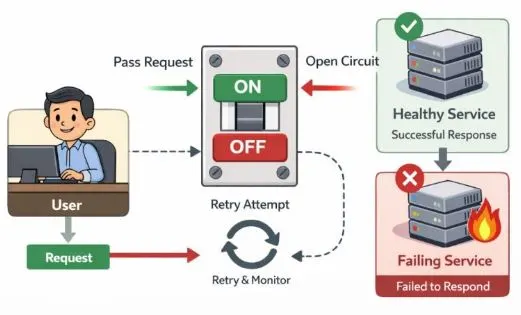
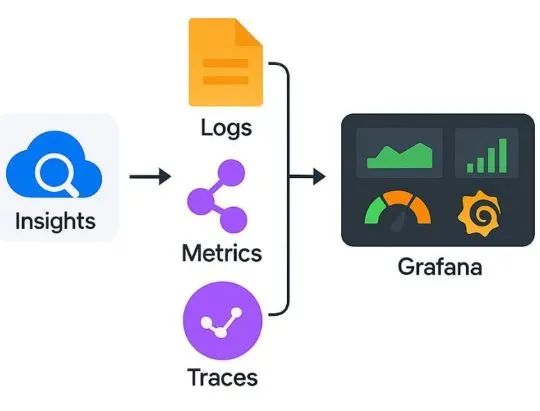
Across these paths: correlated telemetry, retry policies, and application-level checks for duplicate processing and data consistency.
Engineering decisions
- Amazon operates through three distinct integration models: Marketplace, FBA, and Seller Flex. Event-based AWS flows use Lambda to forward SQS messages to Azure Service Bus; invoice and report pipelines use S3 separately. Each workflow keeps its own processing and recovery requirements.
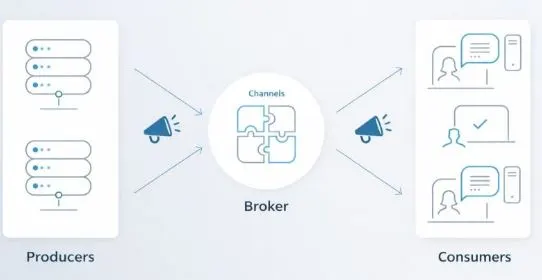
- Service Bus as the integration backbone across all channels — decoupling external producers from internal consumers, enabling per-channel throughput control, message replay on failure, and protection against upstream rate limit spikes.
- Transformation and normalization layer before any internal write — each marketplace payload maps to a canonical internal schema with idempotency checks, preventing duplicate processing under retries, redelivery, or throttle-driven backoff.
- Inventory, pricing, and promotion feeds need particular care with data consistency. A failed order may affect one customer; an incorrect price can affect every unit sold until the issue is detected.
Implementation details
Amazon KSA supports Marketplace, FBA, and Seller Flex alongside separate invoice and report flows. Across the platform, ingestion follows each partner's contract: events, scheduled API polling, or multi-step orchestration. Event-based AWS flows bridge into Azure through Lambda and Service Bus; Azure Functions (.NET 8) process data and persist it to Azure SQL. Noon, HungerStation, Jahez, AliExpress, and Trendyol use dedicated Azure-native pipelines for orders and outbound synchronization. Automated feeds synchronize inventory, pricing, and promotions, with rate limit handling, retry backoff, and correlation IDs across the platform.